The 2026 Winter Readiness Cart: One Order, Three Checklists, No Panic Buying
Why One Cart Beats a Panic Run
Winter emergencies do not announce themselves. A pipe freezes on a Tuesday night. The power flickers during an ice storm. The grocery store closes early because the roads are bad. The households that handle these moments well are rarely the ones with a garage full of emergency gear. They are the ones who bought a few boring items in October and knew where they put them.
That is the case for a single winter-readiness order. You are not building a bunker. You are buying a small, useful kit in one pass, before the forecast turns every store aisle into a mess of empty shelves and marked-up space heaters.
The budget cap here is $250 for a typical US household. That is enough to cover freeze protection, basic backup power, and a short pantry buffer without turning your spare closet into a warehouse.
Checklist One: Pipes and Freeze Protection
This is the part people skip until water is dripping through a ceiling. Keep it simple.
- Foam pipe insulation for exposed pipes in the basement, garage, or crawl space
- Outdoor faucet covers
- A bag of ice-melt salt for steps and walkways
- A basic snow shovel or roof rake if you do not already own one
- Pipe heat cable only if you have a known problem spot and know how to install it safely
The goal is not to winterize a whole house in one order. It is to handle the two or three weak points you already know about. If you have never had a frozen pipe, spend the money on insulation and faucet covers first. Skip the heat cable unless a plumber or experienced neighbor has told you it is needed.
Checklist Two: Backup Power Basics
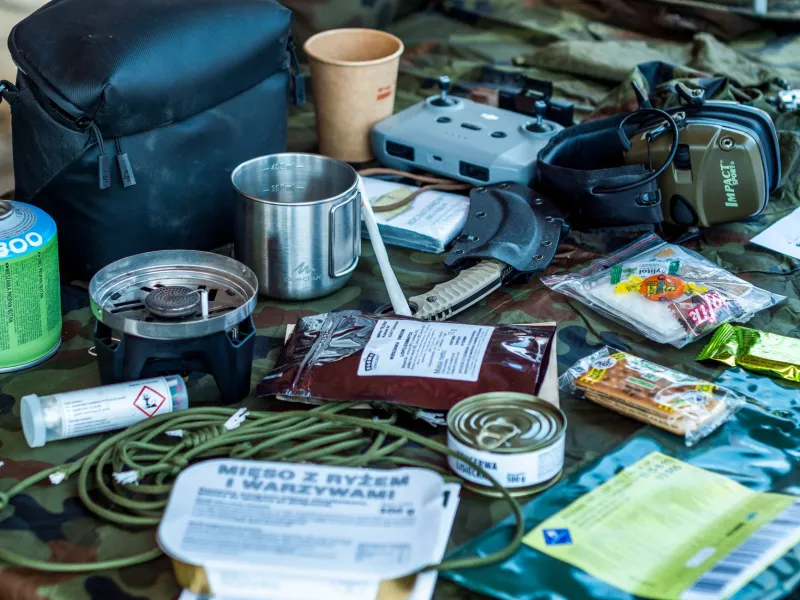
A whole-home generator is a different purchase with a different budget. This cart is about getting through a few hours or a day without stumbling around in the dark.
- Two LED lanterns or flashlights
- AA and AAA batteries in the sizes your devices actually use
- A charged power bank for phones
- A battery-powered or hand-crank weather radio
- A small first-aid refill pack if yours is missing basics
If you already own a portable power station, great. If not, do not let this cart balloon into a $600 purchase. A $25 power bank and a $15 lantern will solve most short outages. The bigger stuff can wait until you have a specific need and a specific budget.
Checklist Three: A Short Pantry Buffer
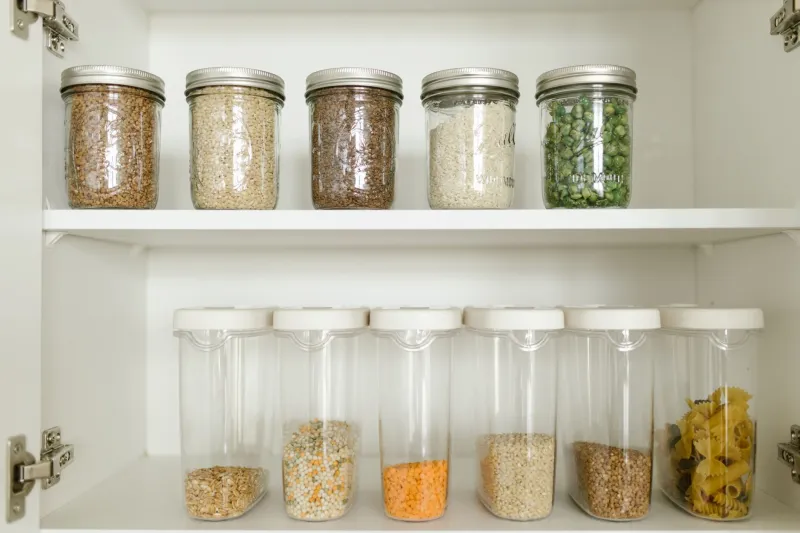
A winter pantry is not a month of freeze-dried meals. It is a three-day cushion of food you actually eat.
- Canned soup or chili, four to six cans
- Canned beans, four cans
- Rice or pasta, one or two bags
- Peanut butter
- Shelf-stable milk or powdered milk
- Crackers or granola bars
- Bottled water, one or two cases
- Manual can opener if yours is electric
Buy the brands you already buy. If no one in your house eats canned chili, do not stock six cans of it just because it looks like emergency food. A winter pantry should rotate into normal meals, not sit until it expires.
Set a Hard Cap and a Tier List
A $250 cap can disappear fast if you start adding gadgets. Build the cart in tiers.
Tier one, under $75: pipe insulation, faucet covers, salt, batteries, and a lantern. This is the minimum useful kit.
Tier two, under $150: add the pantry buffer, a power bank, and a weather radio.
Tier three, up to $250: add a second lantern, a small first-aid refill, and a few extra pantry items you know you will eat.
What to skip: a generator you have not researched, a year of freeze-dried food, a new chest freezer, and any item that requires installation you cannot safely do yourself. Panic buying usually looks like buying the biggest version of something you do not understand.
The Rotation Plan
A winter cart is only useful if you know what is in it. Pick one weekend in November, open the bin, and check dates. Use the oldest canned goods in normal dinners during December and January. Replace what you use. Keep batteries in their original packaging so you know the size. Store the whole kit in one place, not spread across three closets.
Write a short index card and tape it to the bin: what is inside, what gets replaced, and the date you checked it. That card is worth more than an extra flashlight.
The One-Order Advantage
Buying this in one marketplace order does two things. It keeps you from driving to three stores for batteries, salt, and soup. It also lets you see the total before you check out, which is the moment most panic purchases happen. Build the cart, remove one thing, and then place the order. That one removal is usually the difference between a readiness kit and a pile of stuff you forgot you bought.