Split Shipments Without Split Savings: The Two-Address Cart Math
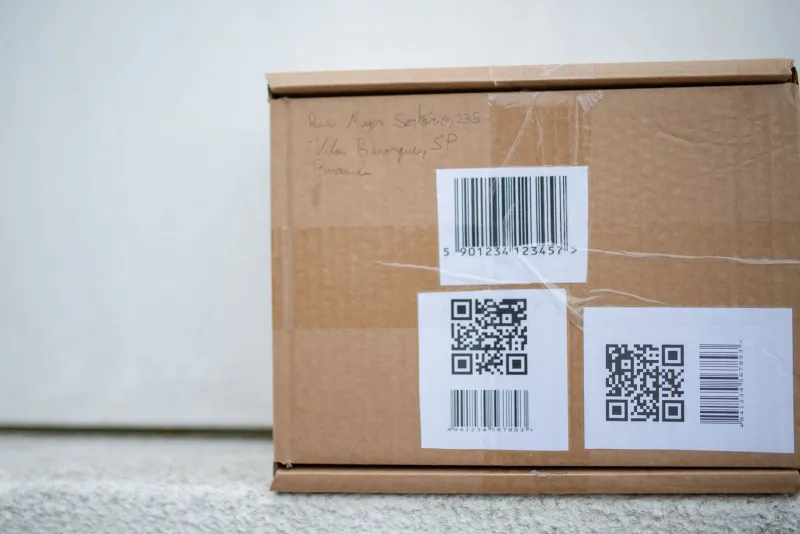
The Cart Is One, the Doorsteps Are Two
A roommate moves into a new apartment. A college student needs dorm supplies. A family has one household in the suburbs and one adult child at school. The cart is full, the order is ready, and then someone asks the obvious question: can we just ship half of this somewhere else?
Sometimes yes. Sometimes the split quietly costs more than the savings that made the big order attractive in the first place. The trick is to run the numbers before checkout, not after the boxes arrive at the wrong door.
How Split Shipping Actually Prices Out
Start with the free-shipping threshold. Many marketplaces set a minimum order total, not a minimum per address. If the full cart clears the threshold, you may still get free shipping even when the order is split. But some retailers charge a per-address fee, and some calculate shipping separately for each shipment. You will not know which rule you are playing by until you look at the checkout summary.
Run a simple example. Your cart is $120. The free-shipping threshold is $75. You need $60 worth of items at address A and $60 at address B. If the store charges $6.99 per split shipment, that is $13.98 in fees. If you consolidate to one address and repack the second box yourself, you might pay $12 to ship it, plus the cost of a box and your time. The two options are close. If the threshold is $35 instead, both addresses may ship free, and splitting is the obvious choice.
The mistake is assuming the big order always wins. It wins only when the consolidated savings are larger than the split fees, the repacking cost, and the hassle you are creating for yourself.
The Threshold Trap
This is where two-address carts go wrong. You split a $70 cart into two $35 shipments, then discover the free-shipping threshold is $50 per address. Now you are adding a $12 filler item to each shipment just to avoid a $7 fee. That is not saving money. That is donating $24 to the principle of free shipping.
A better rule: never add filler to a split shipment unless you were going to buy that item anyway. If the filler is a genuine need, count it. If it is a candle you picked because it was near the checkout button, leave it out and pay the fee.
Returns Get Messy Fast
A consolidated order usually comes with one packing slip and one return window. A split order can come with two shipments, two delivery dates, and two return labels. If the item at address B is the wrong size, the person at address B has to find the label, pack it, and drop it off. That is fine for a $40 pair of boots. It is annoying for a $9 kitchen utensil.
Keep this in mind before you split: do not split items that are likely to be returned. Shoes, clothing, bedding, and small electronics are better kept in one shipment where one person can handle the return. Split the boring stuff instead: cleaning supplies, shelf-stable snacks, school supplies, and anything that is hard to get wrong.
A Simple Decision Rule
Use this formula before you place the order:
Consolidation savings = shipping fees avoided + time value - split fees - repacking cost - return hassle.
If the number is positive, consolidate. If it is negative, split the order or place two separate orders. If it is close to zero, choose the option that creates less work for the person doing the returns.
For college households, the rule often flips. Ship the bulky items directly to the dorm, because hauling a mattress topper and a desk lamp through a parent's house is a waste of a weekend. Consolidate the small, high-return-risk items at home, then hand them over during a visit. For roommates, one person can receive the order and split the payment through a transfer app. That is usually cheaper than paying two shipping fees.
When to Just Place Two Orders
Sometimes the cleanest answer is two orders, not one split order. If each address can hit the free-shipping threshold on its own, two orders are simpler. If the items are urgent and one address is two weeks away, split. If the cart is mostly heavy pantry goods and the second address is a dorm with no storage, send a smaller targeted box instead of half the kitchen.
The point of a consolidated marketplace order is convenience and savings, not loyalty to the idea of one cart. A two-address cart is still a good deal when the math works. When it does not, the smarter move is to stop forcing it and let the second address order what it actually needs.