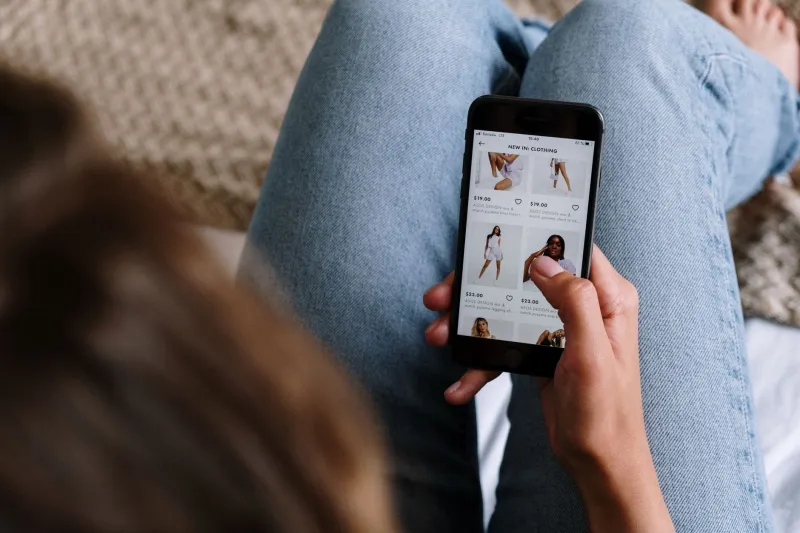
The Free Shipping Trap: How Minimum Thresholds Are Quietly Emptying Your Wallet
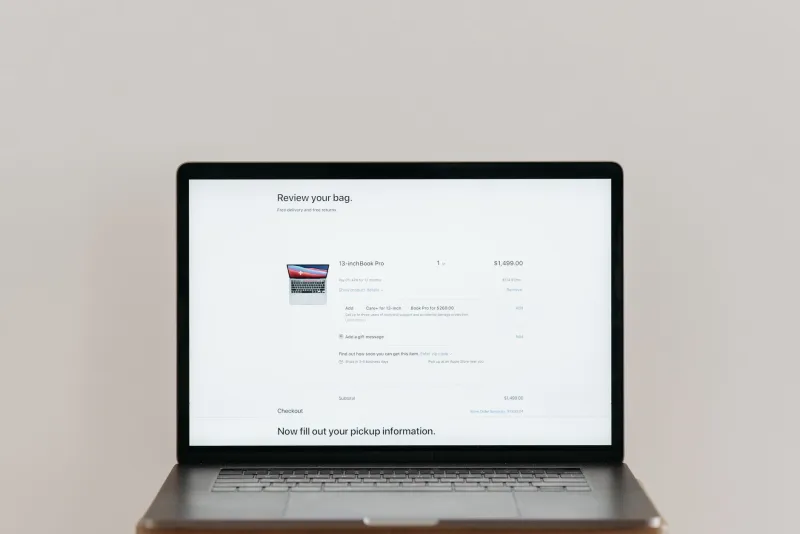
Let's do a quick thought experiment. You're on a retailer's website. Your cart totals $27.43. A little banner at the top of the page says: "You're only $12.57 away from free shipping!" What do you do?
If you're like most American shoppers, you start browsing for something — anything — that costs around twelve bucks. A candle. Some socks. A kitchen gadget you've been vaguely curious about. You find something for $13.99, add it to your cart, and feel genuinely pleased with yourself for "saving" the shipping fee.
Here's the problem: you just spent $13.99 to avoid paying $5.99.
The Psychology Behind the Threshold
Free shipping minimums are one of the most effective psychological levers in all of e-commerce, and retailers know exactly what they're doing when they set them. The threshold isn't designed to be a reward for big spenders — it's designed to be just out of reach for the average order, nudging shoppers to spend a little more every single time.
A study from the Journal of Marketing Research found that free shipping offers increase average order values by as much as 30%. That's not 30% more value for the customer — that's 30% more revenue for the retailer, often driven by low-cost filler items the shopper didn't actually need or want.
And here's where it gets worse: this is happening at multiple stores, simultaneously, throughout the year.
The Multi-Store Multiplier Effect
Imagine a fairly typical month of online shopping. You order household supplies from one retailer, clothes from another, electronics from a third, pet food from a fourth, and maybe some hobby supplies from a specialty site. Each of those retailers has its own free shipping threshold — often somewhere between $25 and $50.
Let's say you hit that "just a little more" moment at each of those five stores just once per month. If you add an average of $12 in filler purchases per transaction to hit the threshold, that's $60 a month in unplanned spending. Over a year, that's $720 — on items you wouldn't have bought if shipping weren't a factor.
For many households, the actual number is higher. A 2022 survey by Bankrate found that nearly 60% of American online shoppers admitted to adding items to their cart specifically to qualify for free shipping. The average "padding" purchase was $14. Run that math across multiple retailers over twelve months and you're looking at a four-figure problem hiding in plain sight.
What "Free" Shipping Actually Costs You
The phrase "free shipping" does something powerful to the human brain — it creates the perception of savings even when no savings are occurring. Behavioral economists call this the "zero price effect." When something is labeled as free, we instinctively assign it outsized value, even when the rational math doesn't support it.
So when you spend $15 on filler to avoid a $6 shipping charge, your brain is registering a win. You saved $6. What it's not registering is that you spent $15 to do it — a net loss of $9, plus the clutter of an item you didn't particularly want.
Multiply that across five retailers and twelve months, and "free shipping" starts looking like one of the most expensive things in your shopping life.
The Consolidation Advantage
Here's where shopping from a single marketplace starts to make serious financial sense. When you consolidate your purchases — buying across multiple categories from one platform — you're hitting one threshold instead of five.
Let's say your monthly shopping list includes household goods, a clothing item, some tech accessories, and pet supplies. If you're buying those from four separate stores, you're potentially padding four separate orders. If you're buying them all in one cart from one platform, you're padding exactly one order — and you're probably already over the threshold naturally, since your combined cart is larger.
The filler purchase problem doesn't disappear entirely with consolidated shopping, but it shrinks dramatically. Instead of four threshold moments per month, you have one. That alone could save the average household $500 to $600 annually in unplanned purchases.
A Few Practical Moves to Break the Habit
Even before you've fully consolidated your shopping, there are some immediate steps you can take to stop the threshold trap from eating your budget.
Pay the shipping. Seriously. If your cart is at $27 and shipping is $5.99, just pay the $5.99. It is almost always cheaper than finding a filler item. This feels counterintuitive, but run the math every single time and you'll see it's true.
Keep a "later" list. Instead of impulse-adding filler items to hit a threshold, keep a running list of things you actually need. When you're close to a threshold, check the list first. If something on your list is the right price, great. If not, pay the shipping.
Calculate your actual annual threshold spend. Go through your last three months of bank or credit card statements and add up every purchase you made specifically to hit a free shipping minimum. Annualize that number. Most people are genuinely shocked by what they see.
Default to platforms with flat-rate or low-threshold shipping. When you're choosing where to shop regularly, factor in shipping structures. A platform with a lower minimum — or one where your consolidated cart naturally clears the bar — is structurally cheaper for your budget than a platform that constantly leaves you a few dollars short.
The Bigger Equation
Free shipping is a feature, not a favor. Retailers offering it are doing so because it drives more revenue for them, not because they're trying to save you money. That's not cynical — it's just business. But understanding the incentive structure helps you navigate it more clearly.
The shoppers who come out ahead aren't the ones who avoid shipping fees at all costs. They're the ones who understand when paying a small fee is actually the cheaper move, and who build their shopping habits around consolidation rather than fragmentation.
One cart, one threshold, one decision. It's a lot simpler than it sounds — and a lot more profitable for your actual bottom line.